
Contractor digs vs serviced apartments: which is right for your crew?
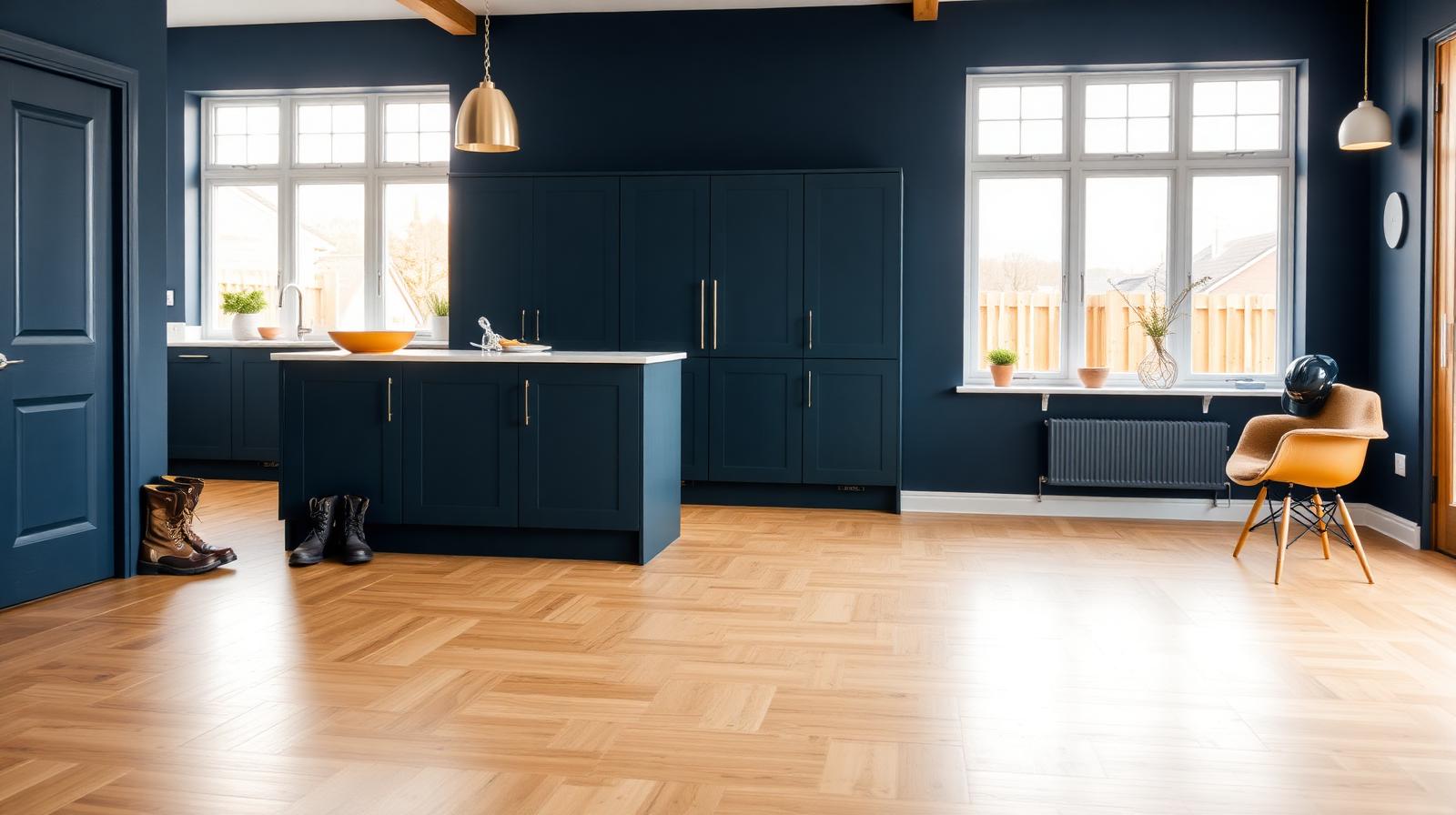
Both contractor digs and serviced apartments can be a sensible choice for a project stay. Neither format is better in every situation. Which one suits your crew usually comes down to how many people are travelling, how long the project runs, how close the accommodation needs to be to site, whether people are happy to share, and which practical facilities matter, typically cooking, laundry, parking, Wi-Fi and somewhere to do evening paperwork. Procurement and invoicing requirements can influence the decision too. This article explains what each option normally means, where each tends to fit, and what to weigh up before you request accommodation. For a broader introduction, see what contractor accommodation means.
What are contractor digs?
Contractor digs is an informal term rather than a defined property type, so it is worth agreeing what you actually need rather than assuming. In practice it can mean several different things.
- A whole furnished house or flat taken by one employer for a crew, with bedrooms used individually and shared kitchen, bathrooms and living space
- Rooms let individually within a shared property, where occupants may not all work for the same business
- A smaller furnished property used by one or two workers on a single project
Layout, room sizes, parking and facilities vary considerably between properties, and standards and any licensing requirements depend on the property, its location and how it is let. Because of that, the sensible approach is to specify what the stay requires and confirm what a specific property actually provides.
What are serviced apartments?
Serviced apartments are self-contained furnished units, usually studios or one to three bedrooms, let on a short or medium-term basis with services included. What is included differs by operator and building, but commonly covers utilities and Wi-Fi, with housekeeping at a stated frequency and, in some buildings, on-site reception. Most include a kitchen or kitchenette; laundry may be in-unit or in a communal facility. Parking is not always available on site and may be charged separately where it is.
What is the difference between contractor digs and serviced apartments?
The main practical differences are how space is shared, what services come with the stay, and how well each format scales for a group.
- Sharing: digs commonly involve shared kitchen, living space and sometimes bathrooms; a serviced apartment is self-contained for its occupants
- Privacy: a self-contained apartment generally gives more separation, though a whole house taken by one crew keeps the group together
- Group capacity: a whole house can hold a crew under one roof, while a larger team in serviced apartments usually means several units, sometimes in different buildings
- Services: serviced apartments typically include housekeeping and utilities as standard; in a house let these depend on the arrangement
- Facilities: kitchens, laundry, workspace and parking exist in both formats depending on the property, so they should be checked rather than assumed
- Location: serviced apartment stock is often concentrated in city centres, while houses are more often in residential areas, which can matter for site access and parking
How does team size affect the choice?
A single worker often fits comfortably in a self-contained apartment or a room in a suitable property. A small team travelling together may prefer one property so they can cook, travel and coordinate together, or separate units if privacy matters more. Larger workforce requirements usually need a combination, several properties, or a mix of formats in the same area. There is no fixed headcount at which one option becomes correct; it depends on what is available in that location for those dates and on how the team prefers to work.
How does project duration affect suitability?
Short stays of a few nights place fewer demands on cooking and laundry, so convenience and location often dominate. Multi-week stays make a usable kitchen, laundry, storage and living space far more important, because people are effectively living there rather than passing through. Longer projects add further considerations such as how easily the arrangement can be extended or adjusted, which depends on the property and the terms agreed at the time rather than on any general rule.
How close should accommodation be to the project site?
Proximity matters mainly because of the daily commute. Early starts, late finishes and shift patterns are easier to sustain when travel time is short and predictable, and parking near the accommodation is often essential where crews travel in vans with tools. Public transport can work well for city-centre stays but may not align with shift times. Local amenities, a supermarket, food options and somewhere to park safely, also affect how well a longer stay works. The right distance depends on the site, the roads and what accommodation exists nearby, so it is best assessed per project.
Comparing practical facilities
Facilities are usually where a stay succeeds or fails on a longer project. Both formats can provide the following, depending on the property.
- Kitchen: full kitchens support cooking for a crew; smaller kitchenettes suit lighter use
- Laundry: in-unit machines where provided, or a communal facility in some buildings
- Wi-Fi and workspace: important where people complete reports or paperwork in the evening; a dining table can be enough, but check where a desk is required
- Parking: off-street or allocated parking where available, which can be limited or chargeable in city-centre locations
- Bedrooms and bathrooms: individual rooms where required, and the bathroom-to-occupant ratio for shared properties
- Living space: shared living areas matter more on longer stays and for teams sharing one property
How do working patterns influence the decision?
Where a crew works early or late shifts, or occupants keep different hours, sound separation and individual rooms become more important, and self-contained space can help. Where a team works the same hours and prefers to cook together, one property with a proper kitchen often works better. Access arrangements are worth confirming too: how people get in outside normal hours, and how keys or entry are handled.
What does the cost depend on?
Neither format is inherently cheaper. Total cost depends on the location, the type and size of property, how many people are staying, the duration and specific dates, which facilities are required, whether occupants share, and what is available at the time of booking. It is also worth comparing on a total-cost basis rather than a headline rate, including parking, utilities and any additional services where these are charged separately, and factoring in whether people can cook rather than eat out for every meal.
Which option may suit different project situations?
- A crew travelling together on a multi-week project, often a whole furnished house with a full kitchen, laundry and parking where available
- A single worker or site manager, often a self-contained apartment or a suitable individual room
- A small management team wanting privacy, often separate self-contained units in the same area
- A short site visit of a few nights, where location and convenience usually matter more than cooking and laundry
- A larger workforce, often several properties or a mix of formats near the site
These are starting points rather than rules. What is genuinely suitable also depends on what exists near the site for the dates concerned.
Decision checklist
Working through the following before requesting accommodation usually makes it much easier to compare options fairly.
- How many people are staying, and are they all on the same project?
- How long is the stay, and how firm are the dates?
- Individual rooms, or is sharing acceptable?
- How close to site does the accommodation need to be, and what is the commute like?
- Is parking required, and for how many vehicles?
- Is a full kitchen needed, or is a kitchenette enough?
- Is laundry required in the property?
- What are the working or shift patterns?
- Any specific practical requirements, such as storage, ground-floor access or a workspace?
- What are the procurement and invoicing requirements, including purchase orders and company-name billing?
Useful next steps
If billing and procurement are likely to shape the decision, our guide to invoicing contractor accommodation covers the practical detail. Our process page explains what happens after an enquiry.
How MJ3 Relocations can help
MJ3 Relocations, the customer-facing brand of MJ3 Management Solutions Ltd, arranges and sources temporary furnished accommodation for contractor, workforce and project requirements, alongside insurance alternative accommodation. Rather than pushing one format, we work from your requirements, location, dates, headcount, sharing preferences and practical needs, and set out the options that fit. You can read more about contractor accommodation or our wider accommodation solutions.
In summary
Contractor digs and serviced apartments answer different problems. Digs, particularly a whole house, tend to suit crews travelling together who need cooking, laundry, parking and space to share. Serviced apartments tend to suit individuals and smaller groups who want self-contained space with services included. Define the requirement first, headcount, duration, distance from site, sharing and facilities, and the right format usually becomes clear. If you would like options for an upcoming project, get in touch with the location, dates and number of people.
Talk to MJ3 about your next placement.
Same-day response on quotes for contractor and insurance stays UK-wide.
Related insights
- Operations
How to invoice contractor accommodation: a finance team's guide
Accommodation invoices are easiest to approve when they carry the right company details, purchase order, project reference and dates. Here is what finance and procurement teams usually need.
- Insurance Stays
Alternative accommodation with pets and school runs: getting placements right
Suitable alternative accommodation is rarely just about bedroom numbers. Pets, schools, commuting, parking and accessibility all shape what actually works for a displaced household.