
What is contractor accommodation? A guide for project managers
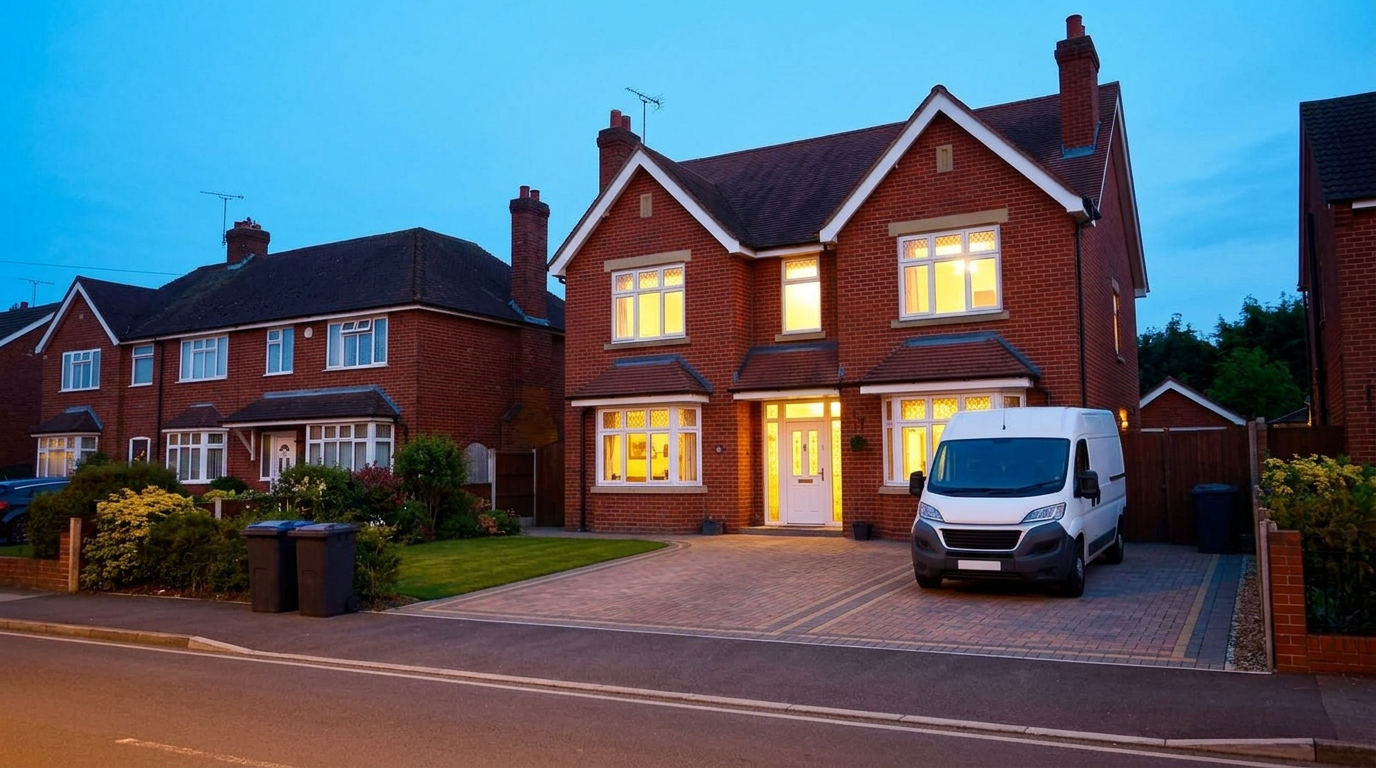
Contractor accommodation is temporary furnished accommodation arranged for people working away from home on a project, usually booked and paid for by the employer rather than the individual. It is also described as workforce accommodation, project accommodation, contractor housing or contractor digs. In practice it means whole houses, apartments or rooms let for the length of a project, with the practical things site teams rely on: parking where available, a usable kitchen, laundry and space to rest between shifts.
What is contractor accommodation?
It is short-term, fully furnished accommodation taken for the duration of a work assignment. Stays can run from a few nights to several months, and the booking is typically arranged by a project manager, site manager, procurement lead or workforce team on behalf of a crew.
The main practical difference from simply booking hotel rooms is how the accommodation is set up and paid for. A hotel room suits a short visit. For a longer project, teams usually need self-catering facilities, laundry, somewhere to work in the evening, room for several people in one property where sharing is appropriate, and billing that a finance or procurement team can process rather than a series of personal card payments.
Who uses contractor accommodation?
It is used across sectors where work happens on site rather than in an office:
- Construction and engineering companies placing crews near a site
- Infrastructure, utilities, rail and energy project teams
- Main contractors and subcontractors working on the same programme
- Project managers and site managers arranging stays for their teams
- HR and workforce teams supporting mobile or rotating employees
- Fit-out, installation, commissioning and maintenance teams
- Businesses relocating employees temporarily between locations
These are the types of organisation the category serves generally, rather than a list of any particular provider's customers.
What should you consider when arranging accommodation?
Most difficulties come from information that was never shared at the briefing stage. The requirements that usually matter are:
- Project or site location, and how far people are willing to travel each day
- Number of occupants, and whether they can share a property
- Arrival date and the expected duration, including likely changes
- Bedroom requirements, including single occupancy where that is needed
- Parking, where vans, fleet vehicles or multiple cars are involved
- Kitchen facilities for self-catering, where required
- Laundry access, particularly on longer stays and for site clothing
- Wi-Fi and somewhere to work in the evening, where required
- Billing and procurement requirements, such as company invoicing or a purchase order
Not every property offers every feature, so it is worth separating the requirements that are essential from those that are preferences. Availability of specific features depends on the property and the location.
What type of accommodation is suitable for project teams?
Houses and apartments
A whole furnished house or apartment suits a crew working the same project, because a kitchen, living space and laundry are shared and the cost is spread across occupants. Houses often work better where parking or storage is needed; apartments can suit smaller teams or individuals in central locations.
Serviced apartments
Serviced apartments provide self-contained units in managed buildings, often with housekeeping. They suit individuals or senior staff who want privacy and a central location, though parking is frequently limited or charged separately.
Hotels
Hotels are straightforward for short visits and single nights. They are less suited to longer stays where self-catering, laundry and space for a team become important. Which option works out better commercially depends on rates, location and the length of stay, so it is worth comparing on a project-by-project basis.
How does project duration change the requirement?
Duration affects what accommodation needs to do. A few nights usually only needs somewhere clean and close to site. Several weeks introduces cooking, laundry and downtime. Several months makes travel time, privacy, workspace and the ability to adjust the booking as the programme moves far more significant. Terms, notice periods and any minimum stay depend on the individual property and agreement.
How far should accommodation be from a project site?
There is no fixed rule. The usual approach is to work back from shift patterns: an early start on site means a short, predictable drive matters more than being in a city centre. It is often better to set an acceptable travel time rather than a distance, then judge options against traffic, parking at site and whether the crew travels together.
What information is needed to arrange contractor accommodation?
A short brief covering the following makes it much easier to identify suitable options. These are useful information points rather than mandatory requirements:
- Project or site location
- Number of people needing accommodation
- Arrival date
- Expected duration, and how likely it is to change
- Bedroom requirements and any single-occupancy needs
- Parking requirements, including vehicle types
- Whether the team can share a property
- Practical requirements such as kitchen, laundry, Wi-Fi or accessibility
- Billing and procurement details, such as the invoicing entity or purchase order process
How MJ3 Relocations can help
MJ3 Relocations, the accommodation brand of MJ3 Management Solutions Ltd, arranges and sources temporary furnished accommodation for contractor, workforce and project requirements in the UK, and separately for households displaced by insured damage. Options are put forward against the brief you provide, with availability and features confirmed property by property.
You can read more about our contractor and workforce accommodation, see the full range of accommodation solutions, or review how the process works from enquiry to check-in.
In summary
Contractor accommodation is simply accommodation organised around a project rather than a holiday or a single night's stay. The quality of the outcome usually comes down to the quality of the brief: location, numbers, dates, duration, parking, sharing and billing. Get those clear and options can be assessed quickly and fairly.
If you have a project coming up, send us the details and we will come back with options based on what is actually available.
Talk to MJ3 about your next placement.
Same-day response on quotes for contractor and insurance stays UK-wide.
Related insights
- Operations
How to invoice contractor accommodation: a finance team's guide
Accommodation invoices are easiest to approve when they carry the right company details, purchase order, project reference and dates. Here is what finance and procurement teams usually need.
- Contractor Accommodation
Contractor digs vs serviced apartments: which is right for your crew?
Contractor digs and serviced apartments both work for project stays, but they suit different team sizes, durations and practical requirements. Here is how to weigh them up.